Conch Launches Fully Green-Powered Cement Plant
Solar panels now cover the roofs of connecting corridors, dark photovoltaic modules have been installed on the façades of cement silos, and floating solar arrays can even be seen on the plant's water surfaces. Visitors to Conch Group's Baimashan Cement Plant in Wuhu no longer see the traditional image of a heavily polluting, energy-intensive industrial facility. Instead, they find a modern green energy factory capable of generating its own electricity.
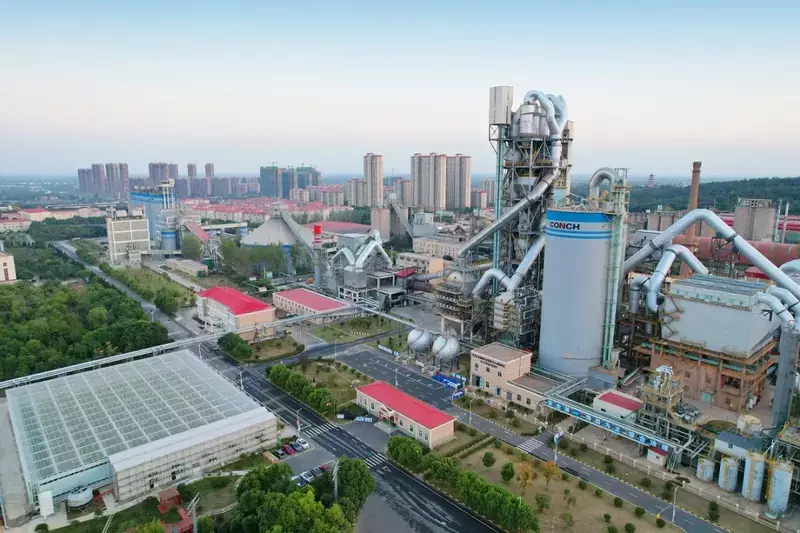
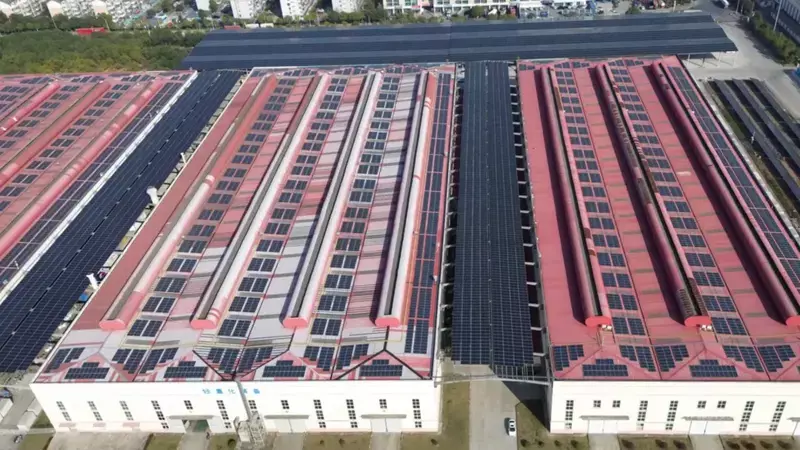
Recently completed, the project has become the industry's first fully green-powered demonstration factory integrating photovoltaic power generation, electrochemical energy storage, an intelligent microgrid, and electric vehicle charging infrastructure. Through the three-dimensional development of more than 130,000 square meters of rooftop, façade, and water-surface resources, the plant has successfully achieved self-generation and self-consumption of renewable energy, surplus power storage, and intelligent energy management, creating a new pathway for the green transformation of traditional energy-intensive industries.
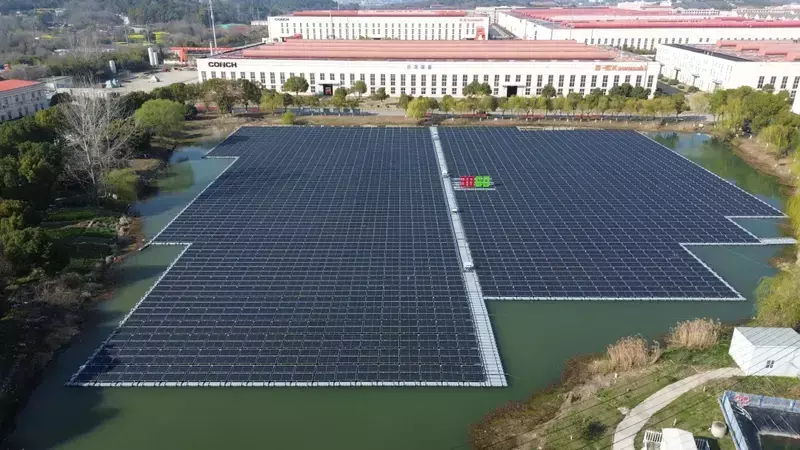
To maximize limited land resources, the project adopted an innovative approach by utilizing rooftops, vertical surfaces, and water areas. Solar panels installed on elevated corridors not only generate electricity but also provide shading. Photovoltaic modules mounted on the vertical walls of cement silos achieve power generation without occupying additional land. Floating solar systems on water surfaces generate clean electricity while helping to reduce algae growth. Together with solar carports and EV charging stations, the plant has established an integrated renewable energy ecosystem combining solar generation, energy storage, and charging infrastructure.
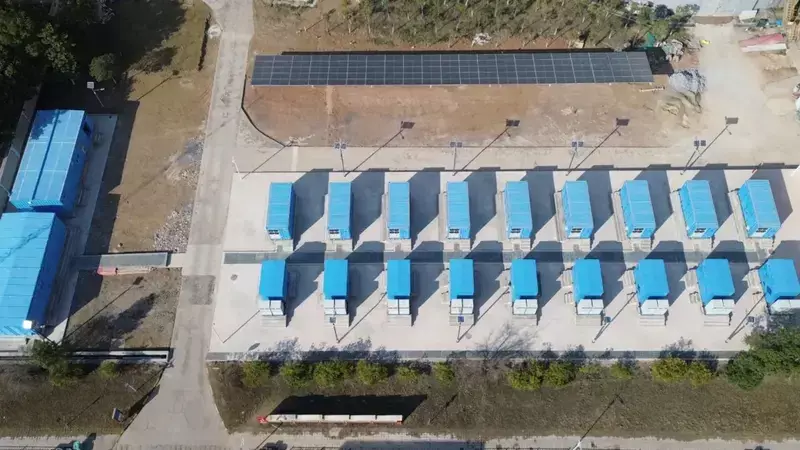
Since solar power generation is inherently intermittent and weather-dependent, the project is equipped with a 22.5MW/45MWh energy storage system based on lithium iron phosphate (LFP) battery technology. Acting as a large-scale industrial “power bank,” the system works in conjunction with an advanced Energy Management System (EMS), the central intelligence of the facility, to create a coordinated “Solar + Storage + Microgrid” operation model.
The EMS implements an intelligent strategy of charging during off-peak electricity periods and discharging during peak-demand hours. Excess renewable energy is stored when electricity prices are low and released when demand and electricity costs are higher. This enables precise monitoring and coordinated control of power generation, grid interaction, load demand, and energy storage resources. As a result, the system significantly increases renewable energy self-consumption, better matches the plant's operational power requirements, and provides the foundation for future participation in virtual power plant (VPP) and demand response programs.
According to preliminary estimates, the project will generate approximately 18.2 million kWh of green electricity annually. This is expected to save around 5,489 tons of standard coal and reduce carbon dioxide emissions by approximately 15,000 tons each year, equivalent to planting nearly 800,000 trees. In addition to environmental benefits, the project creates multiple revenue opportunities through renewable energy substitution, energy storage arbitrage, and intelligent energy management, demonstrating a successful balance between economic performance and sustainability.
Once known for dust and heavy energy consumption, the plant is now surrounded by clean energy and green landscapes. This transformation from traditional “gray manufacturing” to “green intelligent manufacturing” represents a powerful example of high-quality industrial development and sustainable innovation.